Mattress fundamentals
What Sets the Vispring Elite Mattress Apart?
A luxury mattress is more than a soft surface. Beneath the cover, its spring system, materials, upholstery, and construction all influence how it feels and performs. The Vispring Elite belongs to a category where those details deserve close attention. This guide explains what to examine, what questions to ask, and how to decide whether a handcrafted mattress suits your body, habits, and bedroom.
A mattress is a small landscape of materials
At first glance, mattresses can seem like simple objects: a rectangular surface dressed in fabric, ready to receive a sheet. Their interiors tell a more complicated story. Springs, comfort layers, upholstery, stitching, and the foundation beneath them work together to shape the experience of lying down. The result is not determined by one feature alone, but by how the layers interact.
That is why a name such as Vispring Elite is best understood as a starting point for investigation rather than a complete description. The label places the mattress within a luxury range, but shoppers still need to establish which exact model, configuration, and specification they are considering. Materials and construction can differ by version, size, market, or production date. A current product specification from the retailer or manufacturer is the most reliable source for those details.
In practical terms, comparison means looking beyond broad descriptions such as “supportive,” “natural,” or “handcrafted.” Ask what is inside, how the mattress is assembled, what kind of feel it is designed to provide, and what care it requires. Those answers help translate an appealing description into something you can evaluate against your own needs.
What the word “luxury” can—and cannot—tell you
Luxury mattresses often place emphasis on materials, careful finishing, specialized construction, and a more involved buying experience. Those qualities may contribute to comfort and longevity, but the category itself is not a standardized technical measure. A high price does not automatically establish that a mattress is right for a particular sleeper, nor does a premium label guarantee a particular firmness or a longer useful life.
Instead, treat luxury as an invitation to inspect the details. Is the mattress made with a spring system, foam, latex, or a combination? What fibers or other materials form the comfort and upholstery layers? Is the cover removable, and what does the care guidance say? What is the warranty, and what does it actually cover? Clear answers matter more than a general promise of exceptional comfort.
With a high-end mattress, the experience of selection can be part of the value. In-store testing, detailed specifications, and knowledgeable assistance can help a shopper understand distinctions that are difficult to infer from a short description. Still, the central test remains personal: does the mattress support your preferred sleeping position and feel comfortable through the night?
Construction: follow the layers, not just the label
When evaluating the Vispring Elite or any other handcrafted mattress, begin with a simple map of its construction. Ask how the support core is built and what sits above it. The core generally has a substantial role in how weight is carried, while upper layers influence the first impression of softness, cushioning, and pressure relief. The boundary between those functions is not always sharp: upholstery and spring design can affect the overall response together.
If the mattress uses pocket springs, each spring is enclosed separately rather than joined as one continuous unit. That arrangement is intended to let springs respond more independently to pressure. But the phrase “pocket sprung” alone does not tell you how a specific mattress will feel. Spring count, wire characteristics, arrangement, zoning, tension, and the layers around the springs can all contribute. Ask for the specifications of the exact model rather than assuming that one technical feature predicts comfort.
Similarly, a handcrafted description can refer to skilled assembly and finishing, but it does not answer every question about manufacturing. Ask which components are made or assembled by hand, which processes are automated, and how the manufacturer checks consistency. The answers can help distinguish an actual construction detail from a broad marketing phrase.
For the Vispring Elite specifically, verify the current build information before comparing it with alternatives. Confirm the spring configuration, upholstery materials, available firmness or tension options, and whether those options vary by size. If a retailer presents a specification sheet, compare it with the model name and the exact configuration being quoted. Small differences in naming can make an otherwise careful comparison misleading.
Materials matter, but context matters more
Natural fibers and other traditional upholstery materials are often associated with luxury mattress construction. Depending on a model’s verified specification, fillings may influence cushioning, breathability, resilience, and the character of the surface. Yet no material works in isolation. The same fiber can feel different when used in a different quantity, arrangement, or combination with springs and other layers.
Ask for a clear list of materials and their locations within the mattress. Find out whether the description distinguishes between the cover, comfort layers, and internal upholstery. If a label uses terms such as “natural,” “organic,” or “sustainable,” ask what precisely is being described and whether that claim applies to the whole mattress or only selected components. Specificity makes it easier to compare products fairly.
Materials also have practical considerations. Some may require a particular care routine; others may respond differently to heat, humidity, or compression. Do not assume that a natural filling needs no maintenance, or that every premium mattress can be cleaned in the same way. Check the manufacturer’s instructions before buying and keep them for later reference.
For shoppers who have allergies, sensitivities, or concerns about chemical treatments, the most useful approach is to ask direct, itemized questions. Seek information about the cover, fillings, adhesives or treatments where relevant, and any certifications that apply. Certification names and scopes vary, so establish which specific component or claim a certificate covers rather than treating a symbol as proof about the entire product.
Feel is personal: firmness is only one coordinate
Firmness is an easy word to use and a difficult experience to standardize. One person’s “medium” may feel firm to another, influenced by body shape, weight distribution, sleep position, and what they have slept on before. Labels can help narrow a search, but they cannot replace a proper trial.
As you test a mattress, notice more than the first few seconds of softness. Lie in your usual sleeping position for long enough to settle. Consider whether your shoulders and hips feel cushioned without sinking uncomfortably, and whether your body feels evenly supported. If you sleep on your side, pressure at the shoulder and hip may be especially noticeable. Back and stomach sleepers may focus more on whether the torso and lower body feel supported without excessive sagging.
These observations are not a diagnosis or a substitute for medical advice. They are practical cues to help you describe what you experience. If you share a bed, each sleeper should test the mattress where possible. Differences in preferred position, build, temperature, and movement sensitivity can make a mattress feel unlike the showroom impression once two people are using it night after night.
Allow for a realistic adjustment period. A new mattress can feel unfamiliar, particularly when its support differs from an old, worn surface. Ask the retailer what trial or exchange terms apply, how long the trial lasts, and whether any fees or conditions are involved. Put the answer in writing before purchase; policies vary and should not be assumed.
Handcrafted construction and the question of durability
Handcraft can signal attention to assembly and finishing, but durability depends on more than the method of production. Material quality, design, the way the mattress is used, the support beneath it, and routine care all contribute. A carefully made mattress can still be a poor match if it is placed on an unsuitable base or used in conditions outside the manufacturer’s guidance.
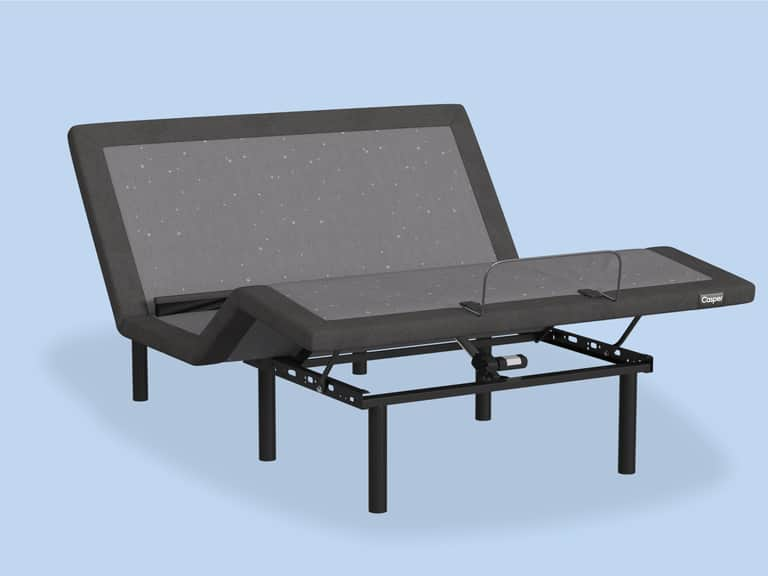
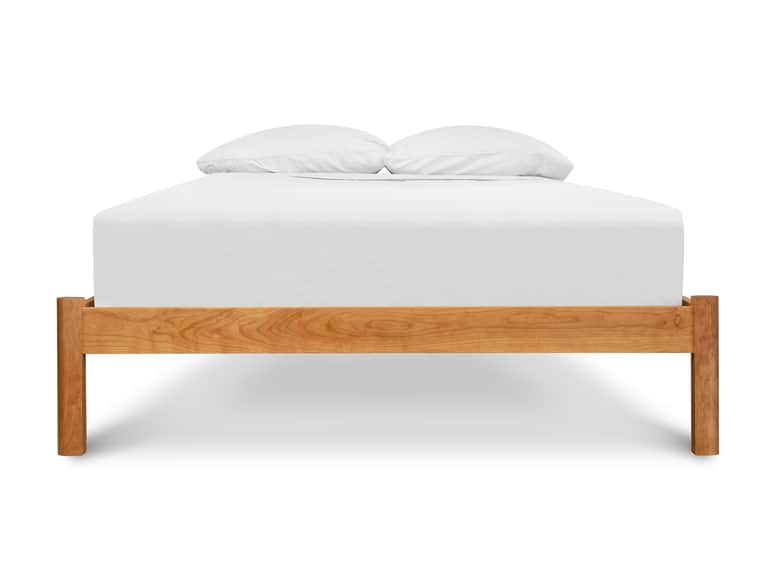
Before buying, check the recommended foundation or bed frame. Slat spacing, platform support, and the frame’s weight capacity can affect the mattress and may influence warranty eligibility. If you are pairing the mattress with an adjustable base, confirm explicit compatibility with the manufacturer or retailer. Do not assume that a mattress can flex safely simply because an adjustable base is available.
Ask how the mattress should be rotated, whether it is designed to be turned over, and how often any recommended rotation should occur. Some mattresses are built with a defined top and bottom, while others may have different care instructions. Follow the exact guidance for the model; generic advice can be wrong for a particular construction.
Durability claims are best evaluated through documentation rather than adjectives. Review the warranty period, the definition of a covered defect, exclusions, and any requirements concerning foundations or proof of purchase. A warranty is not the same as a promise that the mattress will feel unchanged for its entire term. Understanding the distinction helps set realistic expectations.
Questions to take into a mattress comparison
A thoughtful comparison is easier when each mattress is assessed with the same set of questions. For the Vispring Elite, request the answers for the precise model and configuration offered to you. Then use the same checklist for other luxury mattresses, including options with different spring or foam constructions.
- What is the exact model? Confirm the full name, size, and any firmness or tension selection in the written quote.
- What is inside? Ask for the support-core design and a detailed breakdown of comfort and upholstery materials.
- How is the feel described? Find out how the seller characterizes firmness and what options are available, while remembering that labels are not universal.
- What base is required? Confirm approved bed frames, foundations, slat spacing, and adjustable-base compatibility.
- What does care involve? Ask about rotation, turning, cleaning, ventilation, and any special instructions.
- What are the trial terms? Check the length of the trial, return or exchange conditions, collection arrangements, and possible charges.
- What does the warranty cover? Review the written terms, exclusions, and requirements for correct support.
- What is included in the price? Clarify delivery, setup, removal of an old mattress, and other fees before making a decision.
Keeping notes can help. Record how each mattress felt in your normal sleep position, what questions remain unanswered, and which features matter most to you. A comparison chart is useful only if it captures lived experience as well as specifications: a longer list of materials cannot tell you whether a mattress feels comfortable after an hour of testing.
How the Vispring Elite may fit a shopper’s priorities
The Vispring Elite may be worth exploring for someone specifically interested in the luxury mattress category and prepared to examine construction closely. Its appeal should be judged against priorities such as material preferences, a desired sleep feel, craftsmanship, available configurations, and the support system already in the bedroom. These are more useful decision points than the assumption that a premium mattress will suit everyone.
It may be less compelling for a shopper whose main requirement is a very low purchase price, a particular material that is not present in the verified specification, or a feel that cannot be achieved in the available firmness options. Those are not judgments about quality; they are questions of fit. A mattress can be well made and still fail to meet a person’s needs.
Compare it with options across different construction types. A spring mattress, a foam mattress, and a hybrid may each deliver a distinct response. When possible, test candidates in person and ask whether the display model matches the delivered specification. If you shop remotely, give additional attention to precise materials, firmness descriptions, trial policies, and returns.
A careful decision begins with accurate information
The most useful way to approach the Vispring Elite is with curiosity rather than assumption. Luxury positioning can point toward a considered product, but the meaningful evidence lies in the specific construction, the quality of the available documentation, the match between the mattress and your body, and the terms that support your purchase.
Start by confirming the exact specification. Test the mattress in your normal sleeping position if possible. Check the foundation, care guidance, warranty, and trial conditions. Then compare its feel and practical requirements with other mattresses on equal terms. If a retailer cannot answer a basic question, request written clarification before committing.
In the end, a mattress is not a trophy of materials or craftsmanship; it is an environment for many hours of ordinary life. The best choice is the one whose construction, comfort, and care requirements make sense for the person sleeping on it. The details beneath the cover matter—but so does the quiet, nightly judgment of whether you rest well.
Quick takeaway
To assess what sets the Vispring Elite mattress apart, verify its current materials and construction, test its feel against your sleeping preferences, and check foundation compatibility, care instructions, trial terms, and warranty coverage. Treat “luxury” and “handcrafted” as prompts for informed questions, not substitutes for the answers.